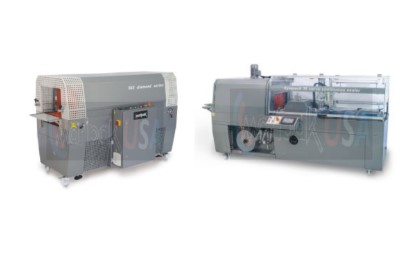
Efficient packaging plays a critical role in modern manufacturing and distribution, especially for businesses handling high product volumes. Shrink film bundling equipment is widely used to group multiple items into secure, compact bundles for storage and transport. This technology ensures products remain protected while improving handling efficiency across supply chains. By using heat to shrink plastic film tightly around grouped items, these systems create stable and durable packaging. Industries such as food, beverages, and consumer goods rely on bundling equipment to streamline operations and reduce packaging costs while maintaining product safety and presentation.
What Is Shrink Film Bundling Equipment
Shrink film bundling equipment refers to machines designed to wrap multiple products together using a plastic film that shrinks when exposed to heat. The process involves enclosing items in film and passing them through a heat tunnel, where the material contracts tightly around the bundle. This method is commonly used to create multi-packs, such as bottled beverages or packaged goods. The result is a secure, tamper-evident package that holds items together while allowing visibility of the product inside.
How the Bundling Process Works
The operation of this bundling equipment involves a series of coordinated steps. First, products are grouped together in a desired configuration. Then, a layer of shrink film is applied around the bundle and sealed. Next, the packaged items pass through a heat tunnel, where controlled heat causes the film to shrink uniformly around the products. This creates a tight, protective covering that stabilizes the bundle. The final output is a compact package that is easy to transport and store, reducing the risk of damage during handling.
Types of Shrink Bundling Equipment
Different types of shrink film bundling equipment are available to suit various production needs. Manual systems require operators to handle product placement and sealing, making them suitable for low-volume operations. Semi-automatic machines increase efficiency by automating certain steps, while fully automatic systems handle the entire process with minimal human intervention. These high-speed machines can package large quantities of products quickly, improving productivity in industrial settings. Each type is chosen based on production scale, budget, and operational requirements.
Benefits of Using Shrink Bundling Equipment
Shrink film bundling equipment offers several advantages that make it essential in modern packaging processes. One of the primary benefits is improved product protection, as the tight film seal guards against dust, moisture, and physical damage. Another advantage is cost efficiency. Shrink bundling often requires less material compared to traditional packaging methods like corrugated boxes, reducing overall expenses. Additionally, the transparency of shrink film allows consumers to view the product easily, enhancing its visual appeal and marketability.
Applications Across Industries
The versatility of shrink film bundling equipment makes it suitable for a wide range of industries. In the food and beverage sector, it is commonly used to package bottled drinks, canned goods, and dairy products. In retail and consumer goods, bundling equipment helps create multi-pack products, making them easier to display and sell. It is also used in industrial sectors to package items such as building materials, textiles, and household goods. This adaptability ensures that businesses across different industries can benefit from efficient and reliable packaging solutions.
Conclusion
Efficient packaging systems are essential for businesses aiming to improve productivity and maintain product quality. Shrink bundling technology provides a practical and cost-effective solution for grouping and protecting products during storage and transportation. Integrating systems that support machine shrink wrap processes ensures reliable packaging performance while meeting the demands of modern supply chains. By understanding the functionality and benefits of such equipment, companies can make informed decisions that enhance operational efficiency.
