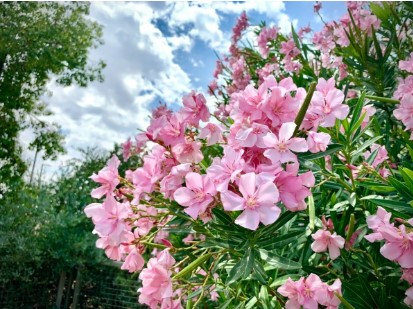
Creating a vibrant garden that supports local wildlife is both rewarding and beneficial for the environment. By choosing the right plants, you can transform your outdoor space into a lively habitat filled with birds, bees, and butterflies. Selecting the right flowering shrubs not only adds color and texture but also provides essential nectar and shelter for pollinators. These plants play a vital role in maintaining ecological balance while enhancing the visual appeal of your garden. With thoughtful planning, you can create a space that is both beautiful and alive with natural activity throughout the seasons.
Why Choose Shrubs for Pollinator-Friendly Gardens
Shrubs are a versatile addition to any garden, offering structure, height, and long-lasting blooms. Unlike seasonal plants, they provide consistent support for wildlife throughout the year. Incorporating flowering shrubs into your landscape ensures that pollinators have a steady source of nectar and pollen.
These plants also offer shelter for birds, protecting them from predators and harsh weather conditions. Their dense foliage creates a safe environment, making your garden a preferred spot for various species.
Top Flowering Shrubs That Attract Birds and Pollinators
Choosing the right varieties is essential for creating a thriving ecosystem. Popular options include hibiscus, butterfly bush, and hydrangea, all of which are known for attracting pollinators. Adding flowering shrubs like these to your garden can significantly increase biodiversity.
Each plant offers unique benefits, from vibrant blooms to extended flowering seasons. By mixing different species, you can ensure continuous attraction for birds and pollinators throughout the year.
Importance of Native Plant Selection
Native plants are naturally adapted to local climates and soil conditions, making them easier to maintain. They also provide the most suitable resources for local wildlife. When selecting flowering shrubs, choosing native varieties ensures better survival rates and a stronger ecological impact.
These plants require less water and care, making them a sustainable choice for environmentally conscious gardeners. They also support native pollinators more effectively than non-native species.
Creating a Balanced Garden Environment
A successful pollinator garden requires more than just planting flowers. It involves creating a balanced environment that supports various forms of life. Including flowering shrubs alongside other plants helps create layers in your garden, providing food and shelter at different levels.
Adding water sources, avoiding harmful pesticides, and maintaining soil health further enhance the ecosystem. These steps ensure that your garden remains a safe and inviting space for wildlife.
Seasonal Planning for Continuous Blooms
To keep your garden active year-round, it is important to plan for different blooming seasons. By selecting a variety of flowering shrubs, you can ensure that something is always in bloom.
This continuous availability of nectar and pollen supports pollinators throughout their life cycles. It also keeps your garden visually appealing, with changing colors and textures across seasons.
Maintenance Tips for Healthy Shrubs
Proper care is essential to keep your plants thriving. Regular pruning, watering, and fertilizing help maintain the health and appearance of your garden. Taking care of flowering shrubs ensures they continue to attract birds and pollinators effectively.
Monitoring for pests and diseases is also important. Using natural remedies and eco-friendly practices helps protect both your plants and the wildlife they support.
Enhancing Garden Aesthetics Naturally
A garden filled with wildlife is naturally more vibrant and dynamic. The presence of birds and pollinators adds movement, sound, and life to your outdoor space. By incorporating flowering shrubs, you can achieve a perfect balance between beauty and functionality.
These plants not only enhance the visual appeal of your garden but also contribute to a healthier environment. Their role in supporting biodiversity makes them an essential element of any sustainable landscape.
Conclusion
Designing a garden that attracts birds and pollinators is a meaningful way to connect with nature while supporting the environment. With the right plant choices and thoughtful planning, you can create a space that is both beautiful and beneficial. The addition of vibrant plants ensures that your garden remains lively and full of natural charm.
Sourcing your plants from a reliable plant nursery can help you choose the best varieties suited to your local conditions, ensuring long-term success and a thriving, wildlife-friendly garden.
