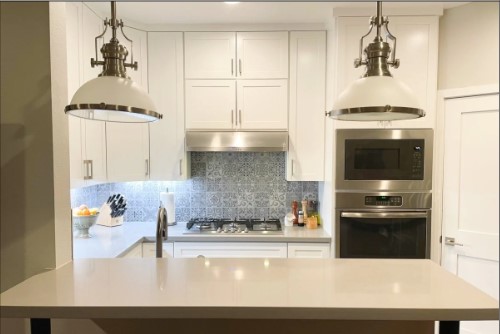
Under cabinet range hoods are an essential kitchen appliance, designed to keep your cooking area free of smoke, odors, and airborne grease while improving air quality and overall comfort. These hoods not only protect your walls, cabinets, and countertops from grease buildup but also enhance your kitchen’s functionality and style. When choosing an under cabinet range hood, one of the most important decisions is whether to opt for a ducted or ductless system. Both options offer distinct advantages, depending on factors such as kitchen layout, cooking habits, and ventilation needs. This guide explores the differences between ducted and ductless under cabinet range hoods, highlights their pros and cons, and provides practical tips to help you select the model that ensures efficient performance, safety, and long-lasting satisfaction in your kitchen.
What Is a Ducted Under Cabinet Range Hood?
A ducted range hood vents air directly outside through a duct system. The hood captures smoke, steam, and cooking odors and pushes them out of your home, ensuring optimal indoor air quality.
Advantages of Ducted Range Hoods
- Effective Ventilation: Removes smoke, heat, and odors completely from your kitchen.
- Better Air Quality: Reduces grease, moisture, and potential contaminants in the air.
- Quiet Operation: Since the air is vented outside, these hoods often operate more quietly than ductless models.
Considerations
- Installation Requirements: Requires ductwork through a wall or ceiling, which can be more complex and costly.
- Space Constraints: Not ideal for apartments or kitchens without access to exterior walls.
- Maintenance: Ducts may require periodic cleaning to remove grease buildup.
What Is a Ductless Under Cabinet Range Hood?
A ductless range hood, also called a recirculating hood, filters air through charcoal or carbon filters before recirculating it back into the kitchen. The hood captures smoke, odors, and grease particles but does not vent them outside.
Advantages of Ductless Range Hoods
- Easy Installation: No ductwork is required, making it ideal for apartments or kitchens where venting isn’t possible.
- Flexible Placement: Can be installed anywhere above your cooktop.
- Lower Cost: Typically less expensive to purchase and install than ducted systems.
Considerations
- Air Quality: Recirculates air rather than removing it completely, so odors may linger more than with ducted hoods.
- Filter Maintenance: Charcoal filters need regular replacement, usually every 6–12 months, depending on usage.
- Limited Performance: May not handle heavy cooking or smoke-producing meals as efficiently as ducted hoods.
Choosing Between Ducted and Ductless
Assess Your Kitchen Layout
If your kitchen has access to an exterior wall or ceiling for venting, a ducted hood is typically the best choice. In kitchens where ducting is impractical, a ductless hood is a practical alternative.
Consider Cooking Habits
- Frequent Frying or High-Heat Cooking: Ducted hoods provide better ventilation for heavy smoke or grease.
- Occasional or Light Cooking: Ductless hoods are sufficient for light cooking and general odor control.
Budget and Installation
Ductless hoods are generally easier and cheaper to install, while ducted systems involve more labor and materials. Consider the long-term benefits versus initial cost.
Maintenance Requirements
Ducted hoods require occasional duct cleaning and filter maintenance, while ductless hoods require frequent charcoal filter replacement. Factor in how much time and effort you are willing to invest in maintenance.
Conclusion
Both ducted and ductless under cabinet range hoods offer valuable benefits for kitchen ventilation, but the right choice depends on your kitchen layout, cooking habits, and maintenance preferences. Ducted hoods, including a wall mounted ducted range hood, provide superior air removal and consistent performance, making them ideal for heavy cooking and smoke-heavy appliances. On the other hand, ductless hoods offer convenience and flexibility when venting to the outside isn’t feasible. By understanding these differences and selecting the appropriate system, you can ensure your kitchen stays fresh, comfortable, and stylish while enjoying efficient ventilation that protects your walls, cabinets, and countertops for years to come.
