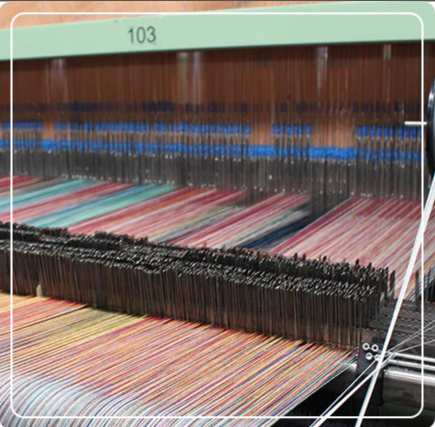
Textile wall art has evolved into a sophisticated design element that blends craftsmanship, storytelling, and visual impact. In the world of woven décor, texture and color are not accidental choices but intentional design tools. When understanding how a tapestry maker brings a concept to life, it becomes clear that every thread, shade, and weave structure plays a role in shaping the final piece.
Understanding Texture as a Design Foundation
Texture is one of the most defining features of a tapestry. Unlike flat printed artwork, woven textiles rely on depth, layering, and tactile variation to create visual interest.
The Role of Weaving Techniques
Different weaving methods produce distinct textures. Tight, dense weaves offer a smooth and refined appearance, while looser constructions introduce dimension and softness. By adjusting yarn thickness and weaving density, artisans can create raised elements or subtle surface variations that guide the viewer’s eye across the design.
Material Selection and Its Impact
Texture is also influenced by fiber choice. Cotton, wool, and blended fibers each behave differently on the loom. Wool tends to add warmth and richness, while cotton creates crisp details. Combining materials allows designers to balance durability with aesthetic appeal, ensuring the tapestry maintains both structure and comfort.
Using Color to Create Mood and Movement
Color selection is equally critical and often begins long before weaving starts. A thoughtful palette determines how the tapestry interacts with its environment.
Harmonizing Shades and Tones
Designers carefully layer complementary and contrasting hues to achieve balance. Muted tones can establish calm and elegance, while bold colors introduce energy and drama. Gradual color transitions are often woven into the piece to create movement and depth without overwhelming the viewer.
Color as a Storytelling Tool
In many designs, color helps convey meaning or theme. Nature-inspired palettes, for example, rely on greens, blues, and earth tones to evoke serenity. This approach is especially evident in pieces like a floral tapestry, where color variation is essential for capturing the softness and complexity of natural forms.
Balancing Texture and Color in the Design Process
The true artistry lies in combining texture and color seamlessly. Too much texture can distract from the palette, while excessive color contrast can overpower the weave.
Planning Through Detailed Mockups
Before weaving begins, many designers create detailed visual plans. These guides help determine where texture should be emphasized and how colors will interact once woven. This preparation ensures consistency between the concept and the finished product.
Adjusting During Production
Even with careful planning, adjustments often occur during weaving. Light interacts differently with textured surfaces, and experienced artisans refine their approach as the design develops. This flexibility is essential for achieving a cohesive and polished result.
Adapting Designs for Individual Spaces
Modern textile art is increasingly tailored to specific interiors. Designers consider room size, lighting, and décor style to ensure the tapestry complements its surroundings.
Personalization Through Scale and Detail
Some clients prefer bold statement pieces, while others seek subtle accents. By modifying scale, pattern density, and color intensity, artisans create custom tapestries that align with individual tastes and functional needs without compromising artistic integrity.
Maintaining Craftsmanship Standards
Customization does not mean sacrificing quality. Each piece still follows established weaving principles, ensuring longevity and visual harmony regardless of size or complexity.
Conclusion
Texture and color are the foundation of every successful tapestry design. Through careful material selection, intentional color planning, and skilled weaving techniques, artisans transform simple threads into expressive works of art that elevate interior spaces. Whether showcased as statement pieces or subtle accents, the thoughtful integration of these elements defines the beauty and uniqueness of tapestry in custom designs, making each creation both visually compelling and deeply personal for traditional and modern interiors alike.
