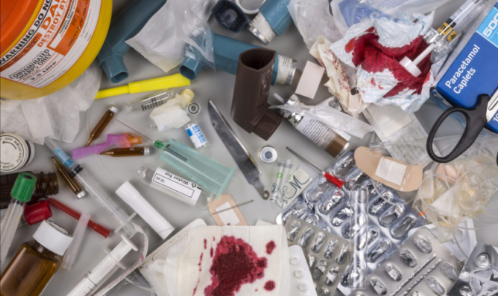
Selecting the right partner for medical waste disposal in Virginia is critical for healthcare facilities, dental clinics, laboratories, veterinary offices, and any organization that generates regulated medical waste. The right disposal company not only ensures compliance with state and federal laws but also protects public health, minimizes risks, and supports the smooth functioning of daily operations. With several service providers in the region, knowing what to look for in medical waste disposal in Virginia can help you make a confident, informed decision.
Verify Licensing, Certifications, and Insurance
A trustworthy provider should carry all required state and federal licenses to transport and process regulated medical waste. In addition, proper insurance coverage is a must. This protects your facility in the event of an accident, spill, or compliance issue during waste handling.
Certifications to look for may include OSHA training credentials, DOT hazmat certification for drivers, and industry-specific training for medical waste handling. A professional disposal company will make documentation easily accessible and transparent.
Evaluate Their Experience and Expertise
Experience in the field of medical waste disposal in Virginia is a major indicator of reliability. Companies with a long track record in the state are more likely to be familiar with regional regulations, local transportation requirements, and the specific needs of Virginia healthcare facilities.
Consider asking:
• How long have they been providing services in Virginia?
• Do they work with similar types of healthcare facilities?
• What is their process for handling sharps, biohazardous waste, pharmaceutical waste, and other specialized categories?
A knowledgeable provider can guide you through best practices, proper waste segregation, and cost-saving strategies.
Review Their Service Offerings and Flexibility
Not all medical waste disposal companies offer the same level of service. Some provide turnkey solutions—including containers, pickup schedules, disposal, compliance training, and documentation—while others offer more limited services.
Important factors to consider include:
• Frequency of pickups (weekly, monthly, on-demand)
• Availability of compliant containers and sharps disposal systems
• Additional services such as OSHA training, safety audits, or environmental reporting
• Emergency pickup capabilities
• Online access to manifests and compliance records
A reliable company should be flexible enough to adapt to your facility’s volume, workflow, and regulatory requirements.
Assess Their Treatment and Disposal Methods
Understanding how your waste is treated and disposed of is crucial. Common treatment methods include autoclaving, incineration, and chemical disinfection. Each method must meet approval standards set by state and federal environmental authorities.
Ask providers to explain:
• Where the waste is transported for treatment
• Which disposal technologies they use
• Environmental considerations related to their processes
• How they ensure cradle-to-grave documentation
Transparency in waste handling demonstrates professionalism and regulatory compliance.
Check Reputation and Client Feedback
Reviews, testimonials, and case studies provide insight into a company’s reliability. Consistent positive feedback on punctuality, customer service, billing transparency, and regulatory compliance is a strong indicator of trustworthiness.
You may also request references from healthcare facilities similar to yours. Speaking directly with existing clients can reveal important details about responsiveness, problem resolution, and overall satisfaction.
Compare Pricing and Contract Terms
Cost should not be the only deciding factor, but it is an important one. When evaluating quotes, ensure you understand what is included: container fees, pickup frequency, fuel charges, environmental fees, and any hidden costs.
A reputable provider will offer clear, itemized pricing and avoid long-term contracts that lock you into unfavorable terms. Look for transparency and flexibility, especially if your waste volume fluctuates.
Conclusion
Choosing a reliable medical waste disposal company in Virginia requires careful evaluation of compliance, experience, service quality, pricing, and customer support. By taking a thorough, informed approach, healthcare facilities can protect both their staff and their communities while maintaining a strong commitment to responsible health care waste management. A provider that meets all regulatory requirements and aligns with your facility’s operational needs will help ensure safety, efficiency, and long-term compliance.
