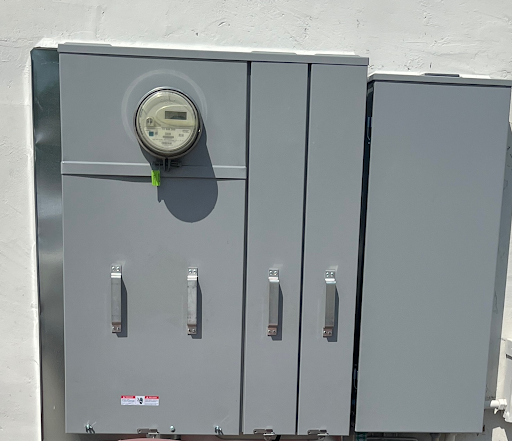
Electricity supports nearly every modern household activity, from lighting and heating to operating appliances and electronic devices. As residential energy requirements change, the electrical system must be capable of distributing power safely and reliably. An older or undersized distribution panel may struggle to accommodate additional circuits and changing electrical demands. An electrical panel upgrade can address certain capacity, compatibility, and safety concerns by replacing outdated equipment with a suitable configuration. Understanding warning signs, available options, installation considerations, and inspection requirements helps property owners make informed decisions about maintaining their electrical systems.
What Does an Electrical Panel Do?
An electrical panel upgrade is the central distribution point that directs incoming electricity to different circuits throughout a property.
It contains circuit breakers or other approved protective devices that help interrupt electrical flow when a circuit experiences an overload or short circuit.
Each circuit supplies particular parts of a building, such as:
- General lighting.
- Kitchen outlets and appliances.
- Heating and cooling equipment.
- Laundry appliances.
- Bathroom receptacles.
- Garage and outdoor electrical connections.
The panel also provides a centralized location for identifying and controlling individual circuits.
Its capacity, condition, and compatibility with the property’s electrical service influence how effectively it can support household requirements.
What Are the Warning Signs of an Outdated Electrical Panel?
Electrical panels can develop problems over time, particularly when equipment becomes damaged, obsolete, or insufficient for the property’s needs.
Frequently Tripping Circuit Breakers
A breaker that trips occasionally may be responding to an overloaded circuit or a temporary electrical fault. However, repeated tripping should be investigated rather than treated as a routine inconvenience.
The underlying issue may involve circuit loading, faulty appliances, damaged wiring, or another electrical problem.
Flickering or Dimming Lights
Lights that flicker or dim when appliances operate may indicate an electrical issue. Possible causes include loose connections, overloaded circuits, or problems with the service equipment.
A qualified electrician should investigate recurring symptoms to identify the actual cause.
Insufficient Circuit Capacity
Older properties may have fewer circuits than modern households require. Adding major appliances, air-conditioning systems, or other equipment can increase electrical demand.
In some situations, additional circuits or a larger service capacity may be necessary.
Unusual Heat or Burning Odors
A panel that feels unusually hot, produces buzzing sounds, or gives off a burning odor requires immediate professional attention.
These symptoms may indicate loose connections, damaged components, or dangerous electrical conditions. Property owners should not open the panel or attempt repairs themselves.
Why Do Electrical Systems Need Additional Capacity?
Residential electricity requirements have changed as households use more appliances and technology.
Older electrical installations may have been designed for fewer devices and lower overall demand. Adding new equipment without evaluating the existing system can create capacity and safety concerns.
Common reasons for reassessing electrical capacity include:
New kitchen appliances: Ovens, cooktops, and other major appliances may require dedicated circuits.
Heating and cooling equipment: Air conditioners, heat pumps, and other systems can increase electrical demand.
Electric vehicle charging: Home charging equipment may require a dedicated circuit and an assessment of available service capacity.
Home renovations: Additional rooms, lighting, and electrical outlets can increase the number of circuits needed.
Workshop equipment: Power tools and specialized machinery may require particular voltage and circuit configurations.
An electrician should calculate the expected electrical load rather than assuming that replacing the panel alone will resolve every capacity issue.
What Is the Difference Between Panel Replacement and an Upgrade?
Panel replacement and an electrical capacity upgrade are related but different projects.
A replacement involves removing existing panel equipment and installing a suitable new panel. This may be necessary when the existing equipment is damaged, obsolete, or unsuitable.
An upgrade may involve additional work beyond replacing the enclosure. Depending on the property’s requirements, it could include increasing service capacity, modifying the meter connection, installing additional circuits, or replacing certain service conductors.
Not every property requires a larger electrical service. A new panel with the existing service rating may be sufficient when the main concern involves equipment condition or circuit organization.
The appropriate scope should be established through an electrical assessment.
What Happens During an Electrical Panel Upgrade?
The installation process generally involves several stages.
Initial Electrical Assessment
An electrician evaluates the existing panel, service rating, wiring condition, circuit requirements, and anticipated electrical demand.
Selecting Compatible Equipment
The replacement panel must be suitable for the electrical service and installation conditions. Breakers, bus arrangements, enclosure ratings, and circuit requirements must be compatible.
Preparing the Installation
The electrician plans the work, determines whether utility coordination is required, and identifies applicable permit and inspection requirements.
Installing the New Panel
The existing equipment is safely disconnected, removed, and replaced according to approved electrical practices. Circuits are connected, identified, and tested.
Final Testing and Inspection
The completed installation should be checked for correct connections, grounding and bonding arrangements, breaker operation, and compliance with applicable requirements.
Why Are Permits and Professional Installation Important?
Electrical panel work involves components that can expose people to dangerous voltages and fault currents. Incorrect installation can increase the risk of electric shock, fire, and equipment damage.
Permitting requirements vary according to the jurisdiction and project scope. In Arizona, property owners should confirm the applicable requirements with the relevant local authority before work begins.
A qualified electrical contractor can assess the installation, identify code-related concerns, and coordinate required inspections.
Property owners should also receive clear information about the installed equipment, circuit labeling, and any future maintenance requirements.
Conclusion
Maintaining a suitable electrical distribution system requires attention to equipment condition, household demand, circuit capacity, and installation standards. Warning signs should be investigated by qualified professionals rather than addressed through temporary fixes. A proper assessment helps determine whether replacement, additional circuits, or a broader service modification is necessary. Understanding the work associated with an electrical panel also helps property owners evaluate the services and installation approach offered by Quality Contractor Services. Safe electrical operation depends on suitable equipment and professional workmanship.
