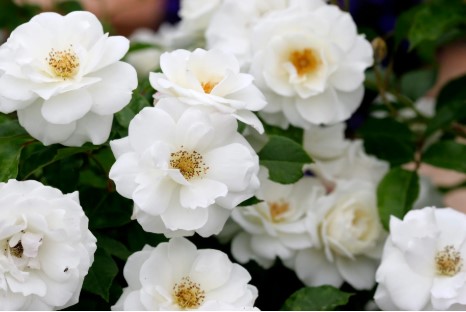
Roses remain among the most recognizable flowering plants in gardens because they combine ornamental value with a wide range of growth habits, colors, and bloom forms. Iceberg roses are well-known floribunda roses recognized for producing clusters of flowers and maintaining a strong flowering presence throughout the growing season. The classic Iceberg rose is associated with white blooms, while related selections are available in other colors. Some varieties are particularly valued for producing flowers repeatedly throughout the growing season.
What Are Iceberg Roses?
Floribunda roses differ from many traditional hybrid tea roses because they commonly produce flowers in clusters rather than focusing on one large bloom at the end of each stem. This growth pattern can create a fuller appearance and make them useful for garden borders, beds, containers, and larger landscape plantings.
Their repeated flowering also makes them suitable for gardeners who want long-lasting seasonal color rather than a short period of blooms.
Where Should Iceberg Roses Be Planted?
Sunlight is one of the most important considerations when establishing roses. A location receiving several hours of direct sunlight can support healthy growth and flowering. Morning sunlight can also help foliage dry after overnight moisture, which may be useful for reducing conditions that encourage some fungal diseases.
Air circulation should also be considered. Avoid planting roses too closely together or positioning them in an enclosed area surrounded by dense vegetation. Adequate spacing allows air to move around the foliage and makes routine inspection and maintenance easier.
The planting area should have good drainage. Roses generally perform better when their roots receive consistent moisture without remaining in saturated soil for prolonged periods.
Preparing the Soil
Before planting, loosen compacted soil and remove large stones, weeds, and other obstacles from the root area. Gardeners can incorporate suitable organic matter into poor soil to improve its structure.
A healthy planting medium should provide both moisture retention and drainage. Heavy clay can hold excessive water, while very sandy soil may drain too rapidly. Improving the soil structure can help create a more balanced environment for developing roots.
A soil test can provide useful information about nutrient levels and pH before applying fertilizer or amendments. This prevents unnecessary additions and allows gardeners to address specific soil conditions.
Watering Requirements
Newly planted roses need consistent watering while their root systems become established. Water deeply enough to moisten the main root zone rather than applying very small amounts to the soil surface.
Once established, watering frequency depends on rainfall, temperature, soil type, and local growing conditions. Plants growing in containers may require more frequent attention because containers can lose moisture faster than garden beds.
Applying water around the base of the plant is generally preferable to repeatedly wetting the foliage. A layer of mulch can also help reduce evaporation and moderate soil temperature. Keep mulch slightly away from the main stem to avoid creating excessively damp conditions around the plant’s base.
Pruning and Deadheading
Regular pruning helps maintain plant shape and remove unhealthy growth. Dead, damaged, or diseased stems should be removed using clean, sharp pruning tools.
Deadheading spent flowers can also improve the plant’s appearance and encourage continued blooming in repeat-flowering roses. The amount and timing of pruning should depend on the plant’s growth habit and the local climate.
Avoid removing excessive healthy growth without a specific reason. Heavy pruning at an unsuitable time can reduce the plant’s flowering potential or interfere with natural growth.
Common Pests and Diseases
Like other roses, Iceberg roses can experience common garden problems such as aphids, black spot, powdery mildew, and other fungal or insect-related issues.
Regular inspection makes it easier to identify problems early. Look closely at young leaves, stems, flower buds, and the underside of foliage for insects, discoloration, spots, or distorted growth.
Good growing practices can help reduce environmental stress. Adequate sunlight, appropriate spacing, proper watering, sanitation, and removal of affected plant material all contribute to healthier conditions.
If a specific pest or disease appears, identify the problem before applying a treatment. Different conditions require different management approaches.
Growing Roses in Containers
These roses can also work in containers when provided with adequate space, drainage, sunlight, and appropriate growing media. Select a container large enough to support the plant as it matures.
Container plants require closer monitoring because temperature and moisture levels can change more quickly than they do in garden soil. Drainage holes should remain clear, and watering should be adjusted according to the condition of the soil rather than following a rigid schedule.
Fertilizer requirements can also differ for container-grown plants, so application should follow the recommendations for the selected rose and growing medium.
Buying and Planting Roses
The collection page can be checked for current varieties, plant information, and availability before planning a purchase.
When purchasing live plants, consider the planting location before ordering. Confirm the available sunlight, soil conditions, drainage, mature plant size, and local climate so the rose has an appropriate environment after arrival.
Conclusion
Growing healthy roses requires attention to their environment throughout the season. Plant Clearance‘s Iceberg rose collection provides gardeners with access to available plant selections for landscape and garden projects. Providing suitable sunlight, well-drained soil, consistent moisture, appropriate pruning, and regular inspection can create favorable conditions for to establish and produce attractive blooms.
