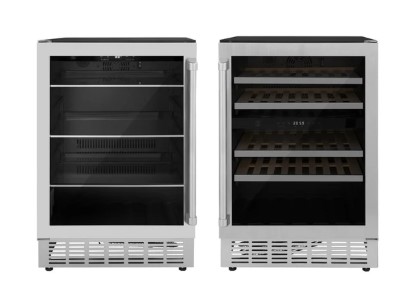
Storing wine correctly can make a noticeable difference to how it develops and tastes over time. Temperature, light, humidity, vibration, and positioning can all affect wine, which is why a dedicated cooling appliance can be useful for households that regularly keep bottles at home. A wine cooler fridge provides a controlled environment designed specifically for storing wine, making it easier to maintain consistent conditions than a standard household refrigerator.
Why Wine Storage Conditions Matter
Wine is sensitive to temperature fluctuations. Excessive heat can accelerate ageing, while temperatures that are too low can slow the development of certain wines. Frequent changes between warm and cool conditions can also affect the contents of a bottle over time.
Light is another consideration. Prolonged exposure to strong light can negatively affect wine, particularly wines stored in clear or lightly coloured bottles. A dedicated cooler can help protect bottles from unsuitable lighting while maintaining a more consistent environment.
Vibration may also be relevant for long-term storage. Repeated movement can disturb sediment in some wines, making a stable storage location preferable.
Choosing the Right Capacity
The number of bottles you plan to store should be one of the first considerations when selecting a cooler. A compact unit may be sufficient for occasional wine drinkers, while a larger household collection may require considerably more storage space.
It is also worth considering the shape and size of the bottles you normally purchase. Some shelves are designed around standard wine bottle dimensions, while wider bottles may require additional space.
Leaving some capacity available can be useful as well. A cooler that is completely full can make it harder to organise bottles or accommodate new additions.
Freestanding or Built-In Installation
Where the appliance will be positioned can influence which design is most appropriate. A freestanding unit can provide flexibility because it can be placed in a suitable area without being integrated into cabinetry.
For kitchens, dining areas, or entertainment spaces, an under-counter wine cooler can provide a more integrated appearance. These models are designed to fit beneath a counter while making efficient use of available floor and cabinet space.
Built-in installation requires attention to ventilation requirements. Following the manufacturer’s installation instructions is important to ensure the appliance can operate safely and efficiently.
Single-Zone and Dual-Zone Cooling
Different wines can have different serving temperature preferences, so the cooling configuration is another important consideration. Single-zone units maintain one temperature throughout the storage area and may be suitable for households that primarily store similar types of wine.
Dual-zone models provide separate temperature areas, allowing different categories of wine to be stored under their respective conditions. This can be useful for households that regularly keep both red and white wines.
When comparing a wine cooler refrigerator, consider whether separate temperature zones would genuinely be useful rather than selecting additional features simply because they are available.
Features Worth Considering
Modern wine coolers can include features designed to make storage more convenient. Adjustable shelving can help accommodate bottles of different shapes, while interior lighting can make it easier to identify selections without repeatedly opening the door.
Digital temperature controls can also provide straightforward monitoring and adjustment. A transparent door may make bottle identification convenient, although UV protection should be considered if the unit will be exposed to significant light.
Noise level can be another consideration, especially when the appliance is placed in a kitchen, dining room, or living area.
Making Efficient Use of Available Space
For homes with limited floor space, an undercounter wine cooler fridge can make practical use of an otherwise unused section beneath a worktop. Before installation, homeowners should carefully measure the available opening and check the required ventilation clearances.
The surrounding environment also matters. Placing a wine cooler away from direct sunlight and excessive heat can help the appliance maintain stable internal temperatures.
Conclusion
Selecting the right wine storage appliance involves considering capacity, installation style, temperature zones, shelving, ventilation, and the types of bottles normally stored. For those comparing dedicated wine storage solutions and considering different configurations for their home, Smart Home Luxury can be a useful resource for exploring available options. Taking these factors into account can help homeowners choose a unit that fits both their storage requirements and available space.
