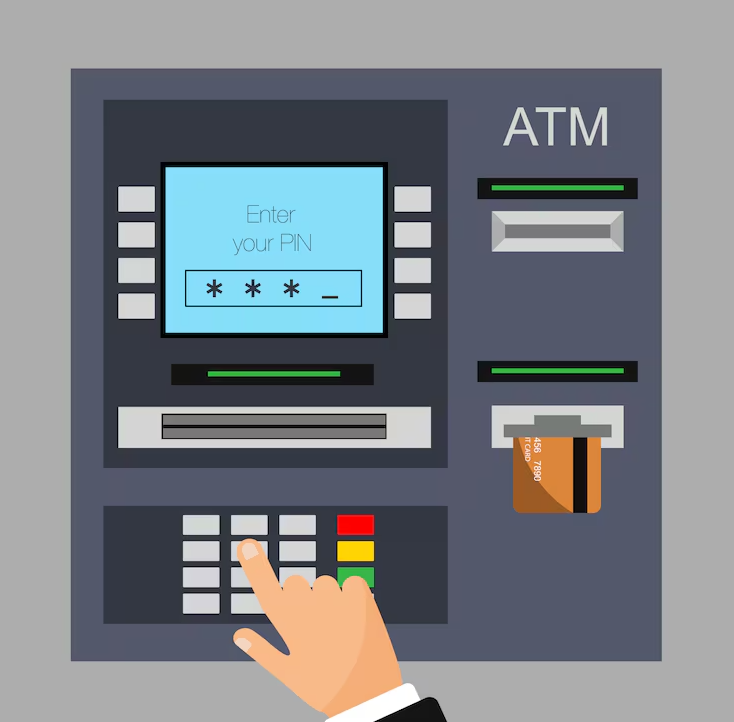
An ATM can be an important self-service tool for businesses, financial institutions, and independent operators. Like other electronic equipment, however, an ATM requires regular maintenance to remain available and functional. ATM machine service covers a range of activities, from routine inspections and software checks to troubleshooting hardware problems and responding to unexpected failures.
Understanding what this service includes can help ATM owners plan maintenance more effectively, reduce avoidable downtime, and recognize potential problems before they become expensive repairs. When businesses buy ATM machine equipment, maintenance and technical support should be considered alongside the machine’s initial cost.
What Is ATM Machine Service?
ATM machine service refers to the maintenance, repair, monitoring, installation support, and technical assistance used to keep an ATM operational. Service requirements can vary according to the machine model, location, transaction volume, connectivity, and operating environment.
Common service activities include hardware inspections, component testing, communication troubleshooting, software updates, repairs, and monitoring. Service providers may also assist with installation, programming, connectivity testing, and replacement of damaged components.
For businesses operating multiple machines, having a structured service process can make it easier to identify recurring issues and maintain consistent equipment performance. BPSANDS, for example, describes its service options as including preventative maintenance, on-site repairs, monitoring, installations, and ongoing technical support.
Why Regular ATM Maintenance Matters
An ATM that stops working can prevent customers from accessing cash and can create operational problems for the business hosting the machine. Regular maintenance is intended to identify equipment issues before they develop into complete outages.
Preventative maintenance can include:
- Inspecting mechanical components
- Checking card readers and cash-dispensing mechanisms
- Testing communication and connectivity
- Reviewing system alerts
- Checking software and system configurations
- Inspecting cables and power connections
- Cleaning appropriate internal and external components
- Identifying worn or damaged parts
Routine checks can also help extend the useful operating life of equipment. Instead of waiting for a component to fail, operators can address signs of wear during scheduled maintenance.
Common Problems Requiring ATM Machine Service
ATM problems can range from simple communication failures to mechanical component issues. Some problems may prevent transactions completely, while others may affect only particular functions.
Communication Failures
ATMs need reliable communication with the appropriate financial and transaction networks. Connectivity problems can prevent transactions from being authorized or completed.
Technicians may check network connections, communication equipment, configurations, and other relevant system components when diagnosing these problems.
Cash-Dispensing Issues
The cash dispenser is one of the ATM’s most important mechanical systems. Problems can occur because of worn components, obstructions, incorrect cassette configuration, or other mechanical failures.
A service technician can inspect the dispensing mechanism and determine whether cleaning, adjustment, repair, or replacement is necessary.
Card Reader Problems
Card readers can experience mechanical or electronic problems that interfere with card insertion or transaction processing. Regular inspection can help identify damaged components or performance issues.
Software and Configuration Errors
An ATM depends on software and configuration settings to communicate with processing systems and operate correctly. Updates, configuration checks, and troubleshooting may therefore form part of ongoing technical support.
Preventative Maintenance vs. Emergency Repairs
There are two broad approaches to maintaining ATM equipment: preventative maintenance and reactive repair.
Preventative maintenance is performed according to a schedule or based on equipment conditions. Its purpose is to identify potential problems before they result in downtime.
Reactive repair occurs after an issue has already developed. This may involve diagnosing a failed component, restoring connectivity, replacing damaged hardware, or correcting an operational error.
Both approaches have a place in ATM operations, but preventative maintenance can help operators identify problems earlier. Service programs may therefore include scheduled maintenance alongside on-demand repair options. BPSANDS lists annual or transaction-based service contracts as well as pay-per-call and time-and-material service options.
What to Consider When You Buy an ATM Machine
The service requirements of an ATM should be considered before purchasing equipment. Different machines can have different hardware configurations, features, installation requirements, and support needs.
When evaluating equipment, consider:
- Location: Indoor and outdoor environments can create different maintenance requirements.
- Transaction volume: Higher usage may increase component wear.
- Accessibility: Technicians need practical access to the equipment for maintenance.
- Connectivity: Reliable communication is necessary for transaction processing.
- Security: Equipment should support appropriate security and compliance requirements.
- Parts availability: Replacement components can affect repair times.
- Service coverage: Operators should understand how technical assistance is provided.
- Warranty terms: Coverage can vary by manufacturer and equipment type.
For example, current ATM listings from BPSANDS include models from Genmega and Hyosung, with new and used equipment options.
When Should an ATM Be Serviced?
There is no single maintenance schedule that applies to every machine. Service frequency depends on factors such as transaction volume, machine age, location, environmental conditions, and equipment type.
However, operators should not wait for a complete failure before investigating warning signs. Repeated transaction errors, unusual mechanical sounds, intermittent connectivity, slow cash dispensing, card-reader problems, or recurring error messages can indicate that an inspection is appropriate.
A service history can also be useful. Recording repairs, component replacements, error patterns, and maintenance dates helps operators recognize recurring problems and plan future servicing.
The Role of Technical Support
Technical support is particularly important when an ATM experiences an issue that cannot be resolved through basic troubleshooting. Support may involve remote diagnosis, service-ticket management, technician dispatch, parts replacement, and follow-up testing.
Some service providers also offer online service requests and service-history tools. BPSANDS states that its service portal allows certain financial institutions and large retail clients to place service calls and review service history.
For organizations with multiple locations, centralized support can make it easier to track service requests and determine which machines require attention.
Conclusion
Effective ATM machine service combines preventative maintenance, technical troubleshooting, repairs, monitoring, and appropriate installation support. Regular attention can help reduce avoidable downtime while keeping equipment functioning consistently for customers and operators. For organizations considering ongoing servicing or equipment purchases, Best Products Sales & Service, inc. is one provider whose ATM service and equipment offerings can be reviewed alongside other available options. Before purchasing equipment, businesses should evaluate not only the machine itself but also its expected maintenance requirements, connectivity, parts availability, warranty, and available technical support.
