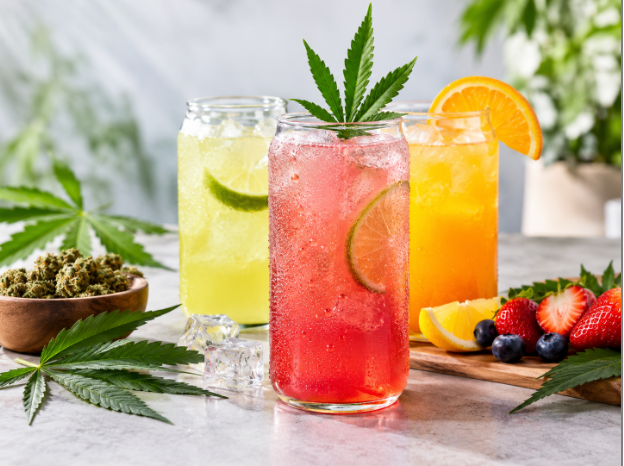
Cannabis beverages have become a more visible part of the broader cannabinoid market, offering an alternative to inhaled cannabis and traditional edible products. THC infused drinks contain tetrahydrocannabinol, the primary psychoactive compound associated with cannabis, in a beverage format that may include sparkling water, flavored drinks, teas, or other formulations. Although these products can seem familiar because they resemble ordinary refreshments, their effects, onset time, serving size, and legal status require careful consideration. Understanding how they work can help adults make more informed decisions while avoiding accidental overconsumption or unsafe use.
What Are THC Infused Drinks?
THC infused drinks are beverages formulated with measurable amounts of tetrahydrocannabinol. Depending on the product and jurisdiction, the THC may come from marijuana or hemp-derived cannabinoids.
Because cannabinoids are naturally fat-soluble rather than water-soluble, beverage manufacturers often use emulsification technologies to disperse THC more evenly through liquid.
This may include nanoemulsion or similar formulation techniques that break cannabinoid-containing oil into very small droplets. The objective is to create a beverage in which the active ingredient remains distributed more consistently instead of separating from the liquid.
The exact formulation can influence taste, stability, onset time, and the consistency of individual servings.
How Do THC Beverages Differ From Edibles?
Both beverages and conventional edibles deliver THC through the digestive system, but their absorption characteristics can differ.
Traditional edibles such as gummies, baked goods, and chocolates may take a relatively long time to produce noticeable effects because the cannabinoids must pass through digestion and liver metabolism.
Some THC infused drinks use emulsified formulations intended to make cannabinoids more readily dispersed and potentially faster acting than standard edible products.
However, onset still varies considerably from person to person.
Factors that can affect the experience include:
1. THC dose
2. Food consumed beforehand
3. Body composition
4. Metabolism
5. Cannabis tolerance
6. Medications
7. Individual sensitivity
For that reason, a person should never assume that a beverage will have an immediate or predictable effect simply because it is consumed in liquid form.
Why Is THC Dosage Important?
Dose is one of the most important considerations with cannabis beverages.
Products can contain very different amounts of THC per container or serving. Some beverages are formulated as lower-dose options, while others may contain several servings in one bottle or can.
Consumers should read the label carefully to determine both the amount of THC per serving and the total amount in the entire package.
With THC infused drinks, drinking quickly can be risky because effects may not be immediate. Consuming additional servings before the first dose has taken effect can increase the likelihood of unpleasant symptoms such as anxiety, dizziness, confusion, nausea, or excessive sedation.
A measured approach is particularly important for people with little or no previous cannabis experience.
How Long Can the Effects Last?
The duration of THC effects can vary substantially.
Cannabis consumed orally generally lasts longer than inhaled cannabis. While the precise timeline depends on the product and individual, effects from orally consumed THC can continue for several hours.
This is important when planning transportation, work, childcare, or other activities requiring attention and coordination.
A person who consumes THC infused drinks should not drive or operate machinery while impaired.
Even when someone no longer feels strongly intoxicated, judgment or reaction time may still be affected.
Cannabis should also be stored securely and kept away from children and pets, particularly when beverages resemble ordinary soft drinks or juices.
Can THC Drinks Be Mixed With Alcohol?
Combining THC and alcohol can increase impairment.
Both substances affect the central nervous system, and using them together can make effects more difficult to predict. Some people may experience stronger dizziness, nausea, impaired judgment, or loss of coordination.
For this reason, THC infused drinks should not be treated as interchangeable with alcoholic beverages at social events.
People should understand what they are consuming and avoid accidental mixing.
Clear labeling and separate storage can be particularly important at gatherings where both cannabis products and ordinary beverages may be present.
What Should You Look for on the Label?
A responsible consumer should examine cannabinoid labeling carefully.
Useful information may include:
1. THC per serving
2. THC per container
3. Other cannabinoids present
4. Ingredient list
5. Allergen information
6. Serving-size instructions
7. Testing information
8. Manufacturing date
9. Storage guidance
A package containing multiple servings should be treated differently from a single-serving beverage.
Consumers should also be cautious about products with unclear cannabinoid amounts or labels that make unrealistic health claims.
THC products are not appropriate substitutes for professional medical care unless their use has been discussed with an appropriate healthcare professional.
Are THC Beverages Legal Everywhere?
No. Cannabis laws vary significantly by country, state, and locality, and the rules can differ depending on whether THC is marijuana-derived or hemp-derived.
Legal limits may also apply to cannabinoid concentration, packaging, age restrictions, retail channels, and where products can be consumed.
Anyone considering THC infused drinks should verify the laws applicable to their location rather than assuming that a product available online or in another state is legal locally.
Rules can also change, so current state and local guidance is more reliable than older articles or social-media information.
Transporting cannabis products across jurisdictional boundaries can create additional legal concerns.
Who Should Be Especially Cautious?
THC does not affect everyone in the same way.
People who are pregnant or breastfeeding, taking medications, managing certain medical conditions, or concerned about interactions with mental health symptoms should consult a qualified healthcare professional before using cannabis products.
Individuals with little cannabis experience may also be more sensitive to THC.
Older adults can face additional risks because dizziness or impaired balance may increase the chance of falls.
Anyone who experiences severe confusion, chest pain, loss of consciousness, or another serious reaction should seek appropriate medical attention.
How Should THC Beverages Be Stored?
Storage is an important safety issue because cannabis beverages may resemble ordinary drinks.
They should remain in clearly labeled packaging and be stored somewhere children, teenagers, and pets cannot access.
Transferring a THC beverage into an unlabeled cup, bottle, or pitcher can increase the risk that someone consumes it accidentally.
Opened products should also be stored according to manufacturer instructions, particularly if refrigeration is required.
Safe storage is part of responsible use, just as important as understanding dose and serving size.
Conclusion
Cannabis beverages provide a different method of consuming THC, but familiar packaging should not make them seem risk-free. Dose, onset time, individual tolerance, product formulation, legal status, and possible interactions with alcohol or medications all deserve consideration before consumption. Someone comparing options such as a fruit punch THC drink should pay particular attention to THC content per serving, total cannabinoids in the container, ingredient information, and whether the product complies with applicable local regulations. Used responsibly and legally, THC infused drinks can be understood as one of several adult-use cannabis formats rather than simply another type of soft drink. Clear labeling, measured consumption, secure storage, and avoiding driving while impaired are essential practices for reducing preventable risks.
