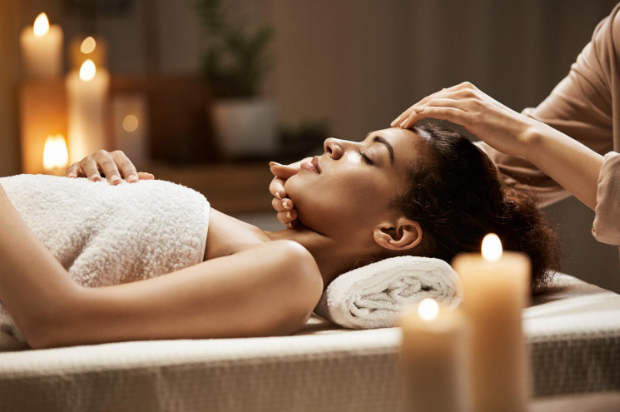
Book a massage in Dubai for the first time and ask for “Thai,” and you might be picturing something closer to a standard oil massage, someone kneading your shoulders while you lie face down on a table. Walk into an actual Thai massage session in Dubai, and the experience is nothing like that. You’re on a mat, fully clothed, being folded, pulled, and pressed in ways that feel closer to assisted yoga than conventional massage.
What surprises most first-timers is realizing Thai massage isn’t one technique; it’s actually two distinct forces working together, stretching and pressure, and understanding the difference between them changes how you experience and appreciate the entire treatment.
Two Techniques, One Integrated Therapy
Thai massage combines two complementary techniques that work together throughout the session:
1. Pressure and Compression: Traditional Thai massage uses acupressure-style compression along the body’s energy lines, known as sen lines. The therapist applies controlled pressure with their hands, thumbs, forearms, elbows, or other body parts to address areas of tension and encourage relaxation.
2. Assisted Stretching: The therapist guides the client’s limbs and body through carefully supported positions. These movements may involve gentle stretching of the muscles, joints, and spine, helping improve flexibility and ease stiffness. Unlike conventional massages, where the client usually remains still, Thai massage involves active participation through guided movement.
Together, these techniques create an integrated experience in which pressure and stretching may occur simultaneously, rather than as separate stages.
What Pressure Actually Does
The pressure component of Thai massage works like acupressure or targeted deep tissue work. A therapist uses rhythmic, sustained compression along specific points and muscle groups, often following the body’s sen lines, to release muscular tension, improve circulation, and support traditional energy flow. Pressure can range from firm palm compressions along the back to precise thumb work targeting tight points in the shoulders, calves, or feet.
Unlike typical deep tissue massage, Thai massage often uses continuous, rhythmic pressure along the length of a muscle rather than isolated kneading. This creates a cumulative release instead of a single sharp point of intensity, making Thai massage feel distinctly different while addressing similar goals of easing muscular tension.
What Stretching Actually Does
The stretching component is where Thai massage differs most from Western massage traditions. The therapist guides your limbs, spine, and hips through assisted stretches, often resembling yoga postures, moving joints through their natural range of motion in ways you may not achieve alone. This might include gently twisting the spine, opening the hips, or extending the legs while supporting the lower back.
Assisted stretching may help improve flexibility and joint mobility over time, particularly for people who sit for long hours or experience muscular tightness. It also creates a distinct sensation of release that pressure alone may not provide, leaving the body feeling more open and relaxed after the session.
Why the Combination Matters More Than Either Alone
Pressure and stretching serve different purposes, but their combined use creates a more integrated massage experience. Here is why bringing both techniques together can matter during a massage in Dubai session:
1. Pressure Releases Muscular Tension: Pressure can help ease tight muscles and address specific tension points. However, it may not fully resolve movement restrictions caused by joint stiffness or limited flexibility.
2. Stretching Supports Mobility: Stretching can temporarily improve flexibility and movement. However, stretching alone may not address every area of muscular tightness or discomfort.
3. Both Techniques Complement Each Other: When combined, pressure and stretching can create a more complete massage experience. Compression may help relax tense muscles before assisted stretching guides the body through a comfortable range of motion.
4. The Sequence Matters: Thai massage involves more than applying pressure and performing stretches separately. The therapist must understand when to transition between techniques and how to adjust the intensity according to the client’s comfort and mobility.
5. Training Influences the Experience: A properly performed Thai massage in Dubai requires knowledge of body positioning, pressure application, and assisted movement. Trained therapists can adapt techniques to individual needs, recognise physical limitations, and avoid forcing uncomfortable stretches.
Together, pressure and stretching create the distinctive character of Thai massage. Their combination may support relaxation, ease feelings of stiffness, and encourage comfortable movement when performed appropriately.
What to Expect and How to Get the Most From It
If you’re new to Thai massage, communication with your therapist matters throughout the session. Since stretching moves your body through positions you don’t control yourself, letting your therapist know your current flexibility, any old injuries, or areas of particular tightness helps them calibrate both the pressure and the depth of each stretch appropriately.
A well-trained therapist will check in periodically, adjusting technique based on how your body responds rather than following a rigid, identical sequence for every client. It’s also worth knowing that discomfort during firm pressure or a deep stretch is normal, but sharp pain is not. The sensation should feel like productive intensity, similar to a deep but manageable yoga stretch, never something that makes you tense up or hold your breath defensively.
Conclusion
Thai massage’s distinct feel comes directly from how pressure and stretching work together, one releasing muscular tension through rhythmic compression, the other restoring mobility through assisted, yoga-like movement. Neither technique alone delivers the full therapeutic benefit that the combination provides. For anyone seeking genuine relief from tension and stiffness, a properly trained, authentic Thai massage in Dubai offers something no standard massage style quite replicates, real, lasting release for both muscles and joints.
Summer Pearl Spa brings this authentic dual technique to life through therapists trained directly in Thailand, skilled in blending acupressure with assisted stretching along the body’s energy lines. Based in Business Bay, they offer genuine Thai massage sessions across Dubai, helping clients experience real muscular release and improved mobility in one integrated treatment.
