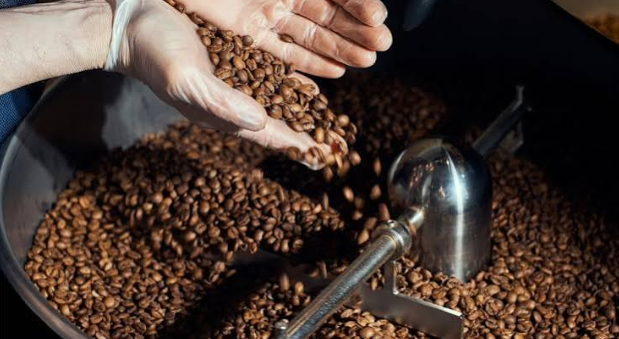
Coffee lovers are paying more attention than ever to the quality, freshness, and flavor of their daily brew. Instead of mass-produced beans roasted in large quantities, many consumers are seeking coffees that offer greater consistency, unique tasting notes, and superior freshness. This growing interest has fueled the popularity of micro roasted coffee, a roasting approach that emphasizes small-batch production and careful quality control.
Unlike large-scale commercial roasting, micro roasting allows greater precision throughout the roasting process, helping preserve the natural characteristics of each coffee bean. The result is a cup that often highlights the bean’s origin, processing method, and distinctive flavor profile. Small-batch roasting is widely recognized for offering better quality control, fresher coffee, and more consistent roasting results than high-volume production.
What Is Micro Roasted Coffee?
Micro roasted coffee refers to coffee beans roasted in small batches rather than large industrial quantities. Roasting smaller batches allows roasters to carefully monitor temperature, airflow, and roast development, helping bring out the unique qualities of each coffee variety.
This approach focuses on:
1.Freshness
2. Consistent roasting
3. Flavor clarity
4. Careful quality control
5. Small-batch production
Because each batch receives close attention, the final product often delivers a more balanced and flavorful cup.
Why Small-Batch Roasting Matters
Roasting is one of the most important stages in coffee production because it directly influences aroma, acidity, sweetness, body, and overall flavor.
Choosing micro roasted coffee offers several advantages:
1. Greater roasting precision
2. Better flavor consistency
3. Fresher beans
4. Improved aroma
5. Reduced waste
6. More attention to bean quality
Careful roasting helps preserve the natural flavor characteristics that develop during cultivation and processing. Research shows that roast level significantly influences aroma compounds, flavor development, and consumer preference.
Freshness Makes a Difference
Freshly roasted coffee retains more of its natural aromas and volatile compounds than coffee that has been stored for extended periods.
Fresh coffee often provides:
1.Richer aroma
2.More vibrant flavor
3.Better extraction
4.Improved crema for espresso
5.Enhanced tasting notes
Grinding freshly roasted whole beans immediately before brewing further helps preserve flavor and aroma by limiting oxidation.
Flavor Profiles of Micro Roasted Coffee
One reason many coffee enthusiasts appreciate micro roasting is its ability to highlight the bean’s natural characteristics.
Depending on the coffee’s origin and roast level, tasting notes may include:
1.Chocolate
2.Caramel
3. Citrus
4. Floral aromas
5. Berry flavors
6. Nutty undertones
7. Stone fruit
8. Brown sugar
Rather than masking these flavors through heavy roasting, small-batch roasting often aims to balance sweetness, acidity, and body.
Choosing the Right Roast Level
The roast level has a major influence on the final cup.
Light Roast
Light roasts generally preserve more of the bean’s original characteristics and often display brighter acidity and fruit-forward flavors.
Medium Roast
Medium roasts offer a balance between sweetness, acidity, and body, making them suitable for a wide variety of brewing methods.
Dark Roast
Dark roasts develop deeper chocolate, caramel, and smoky characteristics while producing a fuller-bodied cup.
Different roast levels create distinct flavor profiles because roasting changes the chemical composition of the coffee bean.
Brewing Methods That Showcase Flavor
High-quality micro roasted coffee performs well with several brewing techniques.
Popular brewing methods include:
1. Pour-over
2. French press
3. Espresso
4. AeroPress
5. Drip coffee maker
6. Cold brew
Each brewing method highlights different aspects of the coffee’s aroma, body, and flavor complexity.
How to Store Fresh Coffee
Proper storage helps maintain freshness after roasting.
For best results:
1. Store beans in an airtight container.
2. Keep coffee away from heat and sunlight.
3. Avoid excessive moisture.
4. Purchase quantities that can be used within a reasonable time.
5. Grind only before brewing.
These simple practices help preserve flavor and aroma for a longer period.
Why Coffee Enthusiasts Prefer Small-Batch Roasting
Many coffee drinkers appreciate the consistency that comes from carefully monitored roasting.
Small-batch roasting allows greater control over every stage of the roasting process, resulting in coffee that better reflects the unique characteristics of its origin. Because roasting is performed in smaller quantities, each batch can be adjusted for optimal flavor development, creating a more enjoyable brewing experience for coffee enthusiasts.
Conclusion
As consumers continue to value freshness, quality, and distinctive flavor profiles, micro roasted coffee has become an increasingly popular choice. Small-batch roasting allows greater control over roast development, helping preserve the natural characteristics of premium coffee beans while delivering exceptional aroma and consistency. Whether brewed as espresso, pour-over, or French press, carefully roasted coffee offers a richer and more rewarding experience for anyone who appreciates specialty coffee. Coffee enthusiasts interested in exploring unique flavor profiles should also consider Wush Wush coffee. Choosing freshly roasted beans and storing them properly are simple steps that can significantly enhance every cup of coffee.
