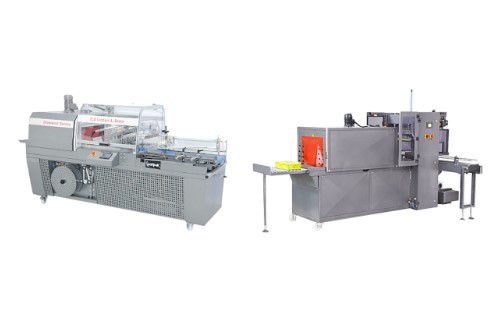
Packaging plays a critical role in protecting products, improving operational efficiency, and enhancing product presentation throughout the supply chain. As production volumes continue to increase across industries, manufacturers require packaging equipment that delivers consistent results while reducing labor costs and material waste. Automated shrink wrapping has become one of the most reliable packaging methods because it combines speed, precision, and flexibility for products of different shapes and sizes.
A modern shrink wrap machine is designed to automate the wrapping and sealing process while ensuring every package meets high-quality standards. Investing in the right shrink wrap machine enables businesses to streamline production, improve packaging consistency, and maintain efficient operations across various manufacturing environments.
What Is a Shrink Wrap Machine?
A shrink wrap machine is packaging equipment that encloses products in shrink film before controlled heat causes the film to tightly conform to the product’s shape. The result is a secure package that protects products during storage, transportation, and retail handling.
The packaging process generally includes:
- Product feeding
- Film dispensing
- Wrapping
- Film sealing
- Heat shrinking
- Cooling and discharge
Each stage is carefully synchronized to ensure efficient production while maintaining package quality.
Essential Components
Modern shrink wrapping systems combine multiple engineered components into one integrated solution.
The primary components include:
- Film roll holder
- Automatic film feeding system
- Sealing unit
- Product conveyor
- Heat tunnel
- Digital control panel
- Product sensors
- Safety mechanisms
Together, these components ensure reliable packaging performance across different production requirements.
Key Features to Look For
Selecting the right shrink wrap machine requires evaluating the features that directly affect productivity and packaging quality.
Important features include:
- Programmable operating controls
- Adjustable conveyor speeds
- Precision sealing technology
- Automatic product detection
- Digital temperature management
- Film tension adjustment
- Energy-efficient heating systems
- Easy maintenance access
These features improve operational efficiency while reducing packaging errors and downtime.
Benefits of Automated Shrink Wrapping
Automated shrink wrapping offers significant advantages over manual packaging methods.
Some of the primary benefits include:
- Increased production speed
- Uniform package appearance
- Consistent seal quality
- Reduced labor costs
- Lower material waste
- Improved workplace safety
- Better product protection
Automation also allows manufacturers to maintain high production volumes with greater consistency and fewer interruptions.
Choosing the Right Shrink Film
The performance of a shrink wrap machine depends greatly on the type of shrink film used during packaging.
Common shrink film options include:
- Polyolefin (POF)
- Polyethylene (PE)
- Polyvinyl Chloride (PVC)
Film selection should consider:
- Product dimensions
- Product weight
- Package durability
- Food-contact requirements
- Shipping conditions
- Desired product appearance
Using the correct film ensures strong seals and professional-looking packages while maximizing equipment efficiency.
Industries That Use Shrink Wrapping
Shrink wrapping has become a preferred packaging solution across numerous industries due to its flexibility and reliability.
Typical applications include:
- Food and beverage manufacturing
- Pharmaceutical packaging
- Cosmetics
- Consumer electronics
- Printed materials
- Household products
- Industrial equipment
- E-commerce fulfillment
The versatility of shrink wrapping allows businesses to package products ranging from small retail items to large industrial goods.
Maintenance Best Practices
Routine maintenance is essential for maintaining reliable equipment performance.
Recommended maintenance tasks include:
- Cleaning sealing components
- Inspecting conveyor belts
- Checking heating elements
- Monitoring electrical systems
- Verifying sensor alignment
- Lubricating moving parts
- Replacing worn consumable components
Preventive maintenance minimizes downtime while extending equipment life and preserving packaging quality.
Preparing for Future Production Demands
Packaging technology continues to advance with greater automation, digital monitoring, and energy-efficient engineering. Modern shrink wrapping systems increasingly feature smart controls, predictive maintenance capabilities, and enhanced process automation that improve production efficiency while lowering operating costs. Businesses investing in advanced equipment today are better positioned to adapt to future manufacturing requirements and changing market demands.
Conclusion
Maripak USA provides packaging solutions engineered to support manufacturers seeking dependable performance, precision, and operational efficiency. A high-quality shrink wrap machine helps businesses improve packaging consistency, reduce production costs, and increase throughput across a wide range of industrial applications. By combining advanced automation, reliable sealing technology, and durable construction, the right shrink wrap machine becomes a valuable long-term investment for organizations focused on productivity, package quality, and sustainable manufacturing success.
