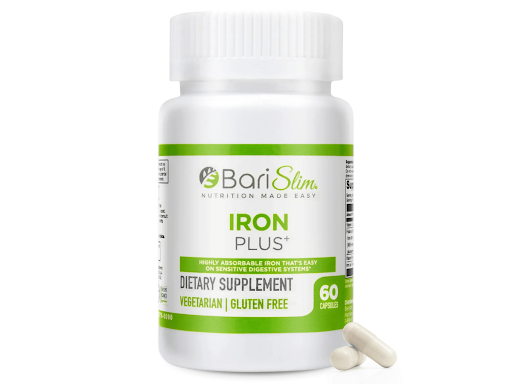
Weight loss surgery can be a transformative step toward better health, helping individuals achieve significant and sustained weight reduction. However, bariatric procedures also alter the digestive system, which can affect the body’s ability to absorb essential nutrients. Among the most common nutritional concerns after surgery is iron deficiency, making a bariatric iron supplement an important part of many post-operative nutrition plans.
Iron plays a critical role in the body by supporting oxygen transport, energy production, and overall health. Because bariatric patients often consume smaller amounts of food and may absorb nutrients less efficiently, maintaining adequate iron levels can become challenging. This is why healthcare professionals frequently recommend a bariatric iron supplement as part of long-term nutritional care.
Understanding Iron Deficiency After Bariatric Surgery
Iron deficiency is one of the most common nutritional deficiencies experienced after weight loss surgery. Procedures such as gastric bypass and sleeve gastrectomy can reduce the body’s ability to absorb iron from food sources.
Several factors contribute to this increased risk:
- Reduced food intake
- Changes in stomach acid production
- Altered digestive pathways
- Limited consumption of iron-rich foods
Without proper supplementation, iron deficiency can develop gradually and may impact overall health and well-being. A bariatric iron supplement helps address these challenges by providing iron in a form designed to support post-surgical nutritional needs.
Why Iron Is Essential for the Body
Oxygen Transport
Iron is a key component of hemoglobin, the protein in red blood cells responsible for carrying oxygen throughout the body.
Energy Production
Adequate iron levels help support normal energy metabolism and physical performance.
Cognitive Function
Iron contributes to healthy brain function and supports concentration and mental clarity.
Immune System Support
The immune system relies on sufficient iron levels to function properly and help protect the body from illness.
Because of these important roles, maintaining iron levels through a bariatric iron supplement can be an essential aspect of post-surgical health management.
Common Signs of Iron Deficiency
Individuals experiencing low iron levels may notice symptoms such as:
- Persistent fatigue
- Weakness
- Shortness of breath
- Dizziness
- Pale skin
- Reduced exercise tolerance
While these symptoms can have multiple causes, iron deficiency is a common concern among bariatric patients. Regular monitoring and appropriate use of a bariatric iron supplement can help support healthy iron status.
Benefits of Taking a Bariatric Iron Supplement
Supports Healthy Red Blood Cell Production
Iron is necessary for the production of healthy red blood cells that transport oxygen throughout the body.
Helps Maintain Energy Levels
One of the key benefits of a bariatric iron supplement is its role in supporting normal energy production and reducing the risk of fatigue associated with iron deficiency.
Promotes Long-Term Wellness
Consistent supplementation helps support overall health and may reduce the likelihood of developing nutrient-related complications.
Designed for Bariatric Needs
A bariatric iron supplement is often formulated with the unique absorption challenges of bariatric patients in mind, helping to optimize nutrient intake.
These benefits make iron supplementation a common recommendation following weight loss surgery.
Choosing the Right Bariatric Iron Supplement
Appropriate Iron Content
The amount of iron needed can vary depending on individual health factors, surgical procedure type, and laboratory results.
Enhanced Absorption
Some formulations include ingredients that may support iron absorption and improve effectiveness.
Digestive Tolerance
Many bariatric patients look for supplements that are easier on the digestive system and less likely to cause discomfort.
Professional Guidance
Healthcare providers can help determine the most appropriate bariatric iron supplement based on individual nutritional needs and blood test results.
Selecting the right supplement is an important part of maintaining long-term nutritional health.
The Importance of Regular Monitoring
Even when taking a bariatric iron supplement, routine blood work remains essential. Regular monitoring allows healthcare providers to evaluate iron levels and identify any deficiencies before they become more serious.
Blood tests may assess:
- Hemoglobin levels
- Ferritin levels
- Iron saturation
- Complete blood count
These evaluations help ensure that supplementation strategies remain effective over time.
Supporting Iron Levels Through Diet
Although supplementation is often necessary, dietary choices can also contribute to healthy iron intake.
Common iron-containing foods include:
- Lean meats
- Poultry
- Fish
- Legumes
- Leafy green vegetables
- Fortified cereals
Combining these foods with appropriate supplementation may help support overall nutritional status after surgery.
Long-Term Nutritional Success After Bariatric Surgery
Successful long-term outcomes after bariatric surgery require more than weight loss alone. Patients must also focus on maintaining proper nutrition through supplementation, healthy eating habits, hydration, and ongoing medical care.
A bariatric iron supplement plays a valuable role in helping individuals meet their nutritional needs and avoid deficiencies that could affect health and quality of life.
When combined with regular monitoring and professional guidance, iron supplementation can contribute to sustained wellness and long-term success.
Conclusion
Maintaining adequate iron levels is an important part of post-bariatric health. A bariatric iron supplement helps support red blood cell production, energy levels, immune function, and overall well-being while addressing the unique nutritional challenges that can arise after weight loss surgery. Many patients also rely on bariatric nutrition supplements to help meet their broader vitamin and mineral requirements as part of a comprehensive post-surgical nutrition plan. With consistent supplementation, routine medical monitoring, and healthy lifestyle habits, a bariatric iron supplement can help support long-term health and successful outcomes after bariatric surgery.
