Missing teeth can dramatically alter both your physical appearance and your foundational oral health. When a gap is left vacant in the dental arch, the surrounding structure begins to lose its stability, often leading to shifting alignments and weakened biting pressures. Modern restorative dentistry offers highly reliable methods to close these structural spaces permanently. Among the most popular and aesthetically seamless solutions is the placement of a customized porcelain teeth bridge. This established dental restoration blends the artistic touch of cosmetic mapping with the structural strength required to return your mouth to optimal everyday performance.
The Structural Threat of Leaving Spaces Unfilled
When a single tooth or a series of teeth are lost due to decay, trauma, or extraction, the remaining units across the arch must adapt to the missing support. Teeth rely on their immediate neighbors to maintain a straight, proper alignment.
Without this natural boundary, adjacent teeth will slowly tilt, drift, and migrate into the empty gap over time. This shifting destabilizes the overall bite pattern and creates hidden, hard-to-reach pockets where destructive plaque can gather. Resolving this issue promptly with a permanent porcelain teeth bridge effectively preserves the position of your existing teeth, distributing standard biting forces evenly and shielding your jaws from premature wear.
How Modern Ceramic Fixed Restorations Are Fabricated
The engineering behind contemporary dental ceramics allows for highly durable replacements that replicate the structural properties of organic enamel. A typical fixed bridge consists of an artificial replacement tooth held firmly in position by anchoring crowns attached to the adjacent natural teeth.
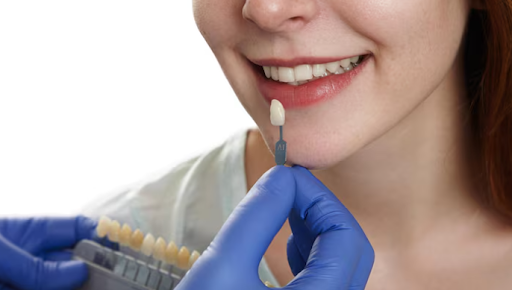
To achieve an optimal fit, a restorative specialist meticulously shapes the anchor teeth so they can comfortably support the custom-fabricated framework. Modern optical scanners or traditional molds capture the exact dimensions of the treatment site, sending precise physical specifications to a specialized dental laboratory. Technicians then construct a custom-tinted porcelain teeth bridge that aligns flawlessly with your natural tooth shade, restoring the exact size and texture of your original smile.
Comparing Fixed Bridges with Alternative Replacement Methods
Patients exploring tooth replacement strategies often find themselves evaluating fixed ceramic bridge systems alongside dental implants or removable partial dentures. Each method presents unique structural benefits depending on the current health of the patient’s jawbone and remaining dental roots.
Fixed bridges provide an exceptional option for individuals seeking a rapid, non-surgical turnaround time compared to long-term implant integration schedules. Because a fixed bridge is bonded securely onto prepared natural anchors, it eliminates the slipping, shifting, and daily chemical cleaning routines associated with removable plastic appliances. Selecting a premium porcelain teeth bridge guarantees a permanent, low-maintenance solution that behaves exactly like natural teeth during normal chewing, speaking, and smiling.
Long-Term Maintenance and Oral Hygiene Protocols
Sustaining the longevity of a multi-unit ceramic restoration requires a dedicated commitment to targeted daily home care. While the ceramic material itself is entirely immune to standard tooth decay, the natural anchor teeth beneath the supportive crowns still require thorough protection from localized gum disease and structural breakdown.
Patients must integrate specialized cleaning tools, such as floss threaders or specialized interdental brushes, to thoroughly clear away debris accumulated beneath the suspended artificial tooth. Maintaining structural integrity around a porcelain teeth bridge prevents plaque buildup along the margin where the ceramic meets the natural gumline. Combining these diligent home hygiene routines with consistent cleanings ensures that the restorative framework remains stable and operational for many years to come.
Conclusion
Consulting an experienced dentist in Charlotte, NC, allows you to discover the ideal restorative strategy to restore your smile’s natural function and cosmetic balance. Making the choice to implement a modern fixed appliance provides an effective shield against tooth migration, preserves your facial structure, and restores full chewing confidence. By proactively managing spaces in your bite with durable, lifelike ceramic architecture, you safeguard your long-term oral health and enjoy a completely functional, beautiful smile.
